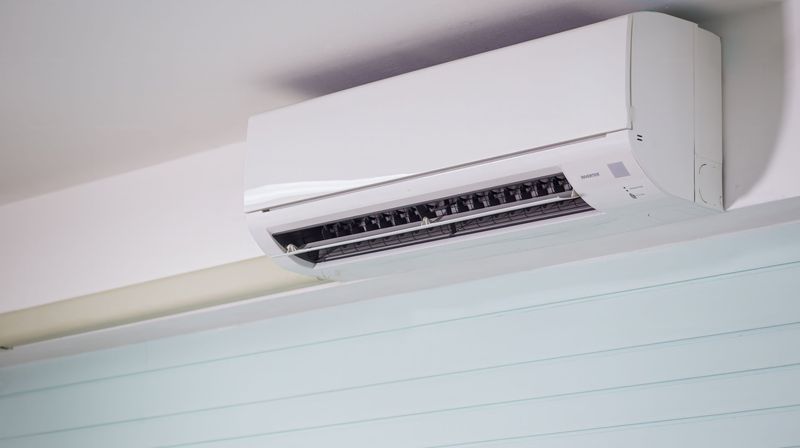
In Southwest Florida the air conditioner is not a comfort feature while you are away. It is what keeps the house dry. Naples summers are hot and humid, and a closed house with the air conditioning off or failing can climb to mold-friendly humidity within days. Mold can show up on walls, in closets, on furniture and inside the air handler. Checking that the AC is running and the humidity is under control is one of the most important parts of home watch.
Why empty homes get mold
Mold needs moisture, a food source and time. A Florida home has plenty of the first two: drywall, wood, fabric, leather, books, even the paper on the back of a picture frame. When humidity rises above roughly 60 percent for a sustained period, mold can begin to grow. Many home watch providers aim to keep indoor humidity near 50 percent, which is a commonly used target for homes in humid climates.
The trouble is that an empty house gives mold weeks to establish itself before anyone smells it. By then it may have spread behind furniture and into the closets. Remediation is expensive and disruptive, and it is usually far easier to prevent.
What a provider checks on each visit
- The thermostat: is it on, is it set where you asked, and is the system actually cooling?
- Airflow at the vents, and whether the air handler is running
- A humidity reading, if the provider carries a hygrometer or the home has a monitor
- Signs of condensation on windows, vents and ceilings
- Musty odors in the entry, bathrooms, closets and garage
- Water around the air handler, which can signal a clogged condensate line
- Visible mold or mildew on walls, ceilings, grout and window frames
- Air filters, if you have asked the provider to change them
Thermostat settings while you are away
There is no single right answer for every house, and some owners leave it to the HVAC company. A very high away temperature saves electricity but lets humidity climb. A moderate setting costs more but protects the house. Smart thermostats and humidity monitors add a safety net by sending an alert if the temperature or humidity goes out of range. If you use one, tell your provider and give them access to the alerts or the name of someone who gets them.
Whatever you choose, put it in writing for your provider so they know the intended setting. Also tell them what to do if the system has stopped: call you, call your HVAC company, or both.
Ceiling fans, dehumidifiers and other helpers
Some owners run ceiling fans on low, open interior doors and closets to keep air moving, or use a whole-house dehumidifier. These can help, but any device that runs while you are gone is also a device that can fail. Your provider can confirm that they are running and that drains are clear.
What the AC check does not cover
A home watch provider confirms that the system is running and notices symptoms. They do not service equipment or diagnose faults. If the AC fails, the provider tells you immediately with photos and a note of what they see, and your HVAC company handles the repair. Many owners keep a service agreement with an HVAC company and share that contact with their provider.
Naples timing
The most dangerous stretch for humidity is June through October, when most seasonal owners are gone and the weather is at its wettest. A summer storm that knocks out power for a day or two can undo weeks of good settings, and a house that was fine on Monday can be musty by Friday. Ask your provider to check after any extended power outage, and consider a battery-backed monitor that tells you if power returns with the wrong settings.
What drives the cost
AC and humidity checks are part of a regular visit. A provider may charge extra for changing filters, installing a monitor, or an emergency visit. A humidity monitor that texts you is usually a modest purchase and a good addition to any visit schedule.
Frequently asked questions
Can a home watch provider tell me if there is mold?
A provider can spot visible mold and notice odors and moisture. They are not mold testers. If they report a problem, you would hire a licensed mold professional to test and remediate.
What humidity level is safe for an empty home?
Many providers aim to keep indoor humidity around 50 percent. Sustained readings above about 60 percent raise the risk of mold, so ask your provider to log what they see.
What if the AC stops while I am away?
A good provider reports it immediately with photos. Your HVAC company then handles the repair, and the provider can let them in if you have given permission.
Areas served
Naples, Old Naples, Park Shore, Moorings, Coquina Sands, Port Royal, Pelican Bay, Grey Oaks, Mediterra, Quail West, Talis Park, Tiburon. Home watch in Bonita Springs | Home watch in Estero | Home watch in Marco Island